
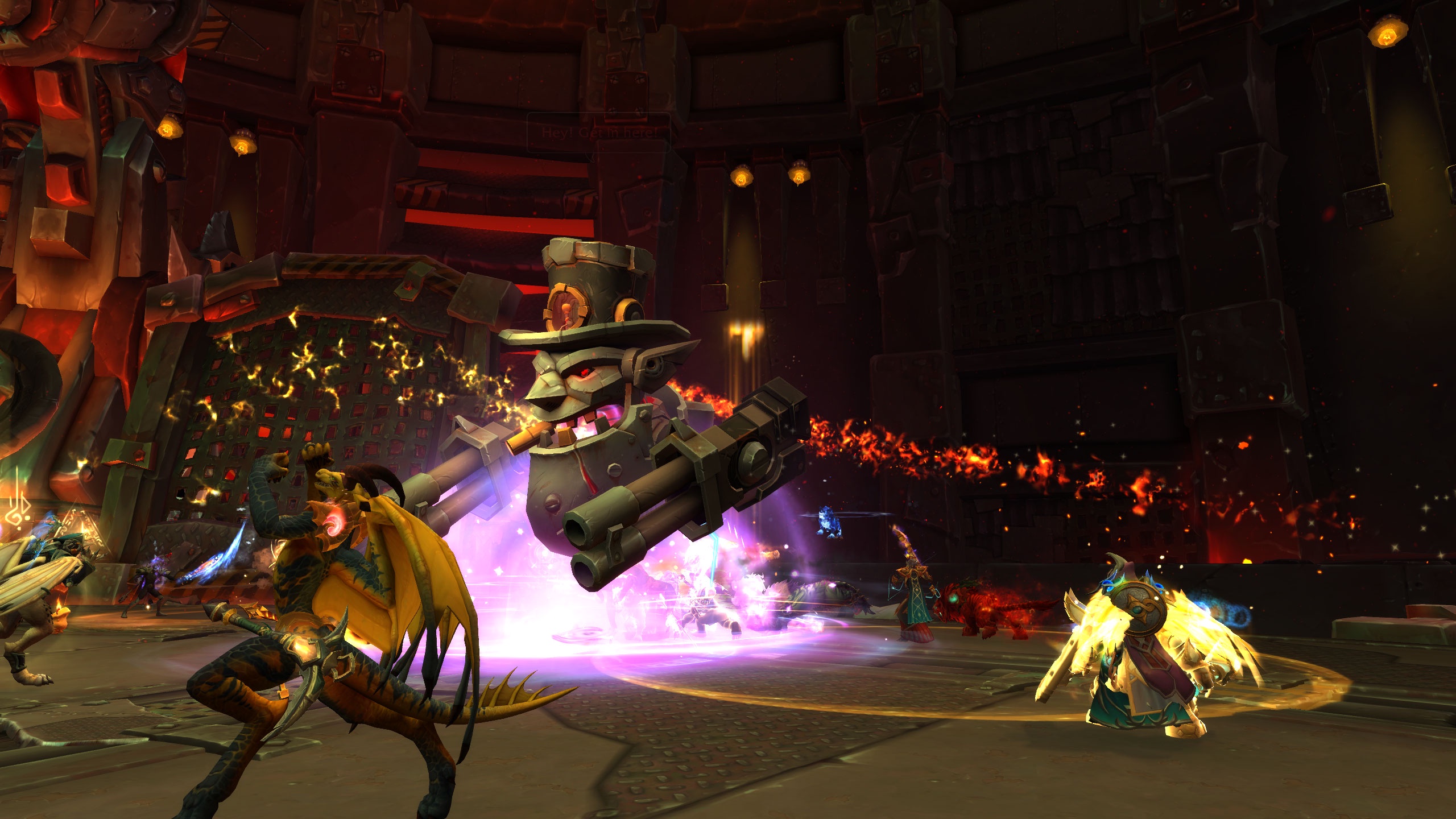

Introduction: WoW’s Legacy in the MMORPG Genre
World of Warcraft (WoW) has had an undeniable influence on the MMORPG (Massively Multiplayer Online Role-Playing Game) genre. Since its release in 2004, WoW has set the standard for what players expect from online role-playing games. With its immersive world, expansive lore, and engaging gameplay, WoW revolutionized online gaming and continues to be a cornerstone of the genre. This article will explore WoW’s impact on modern MMORPGs and why it continues to set the bar for future games.
1. Immersive World-Building and Storytelling
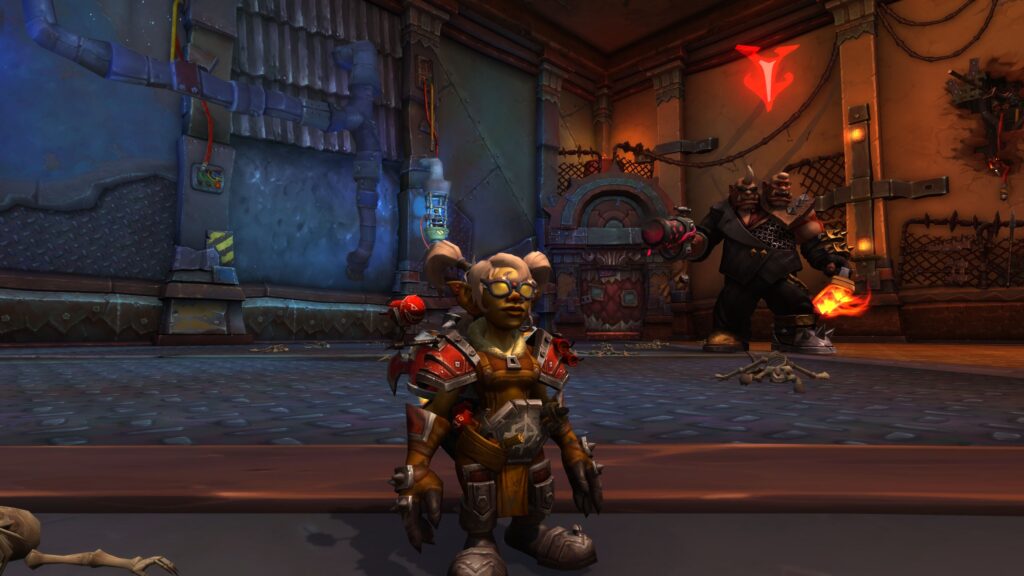
One of the key aspects of WoW that set it apart from other games was its incredible world-building and storytelling. The game introduced players to the expansive world of Azeroth, a land filled with rich lore, diverse factions, and unforgettable characters. WoW’s immersive narrative drove the gameplay, with every expansion introducing new story arcs, zones, and quests that kept players engaged for years.
How WoW Set the Standard
- Expansive World – WoW’s world is vast, offering players hundreds of hours of exploration, quests, and discoveries, setting a high standard for other MMORPGs.
- Rich Lore – The deep lore behind the game’s factions, characters, and events provided a compelling backdrop that encouraged players to immerse themselves in the world.
- Continuous Story Progression – WoW has maintained a consistent, evolving narrative throughout its expansions, creating a living world that adapts and grows.
2. Social Connectivity and Community
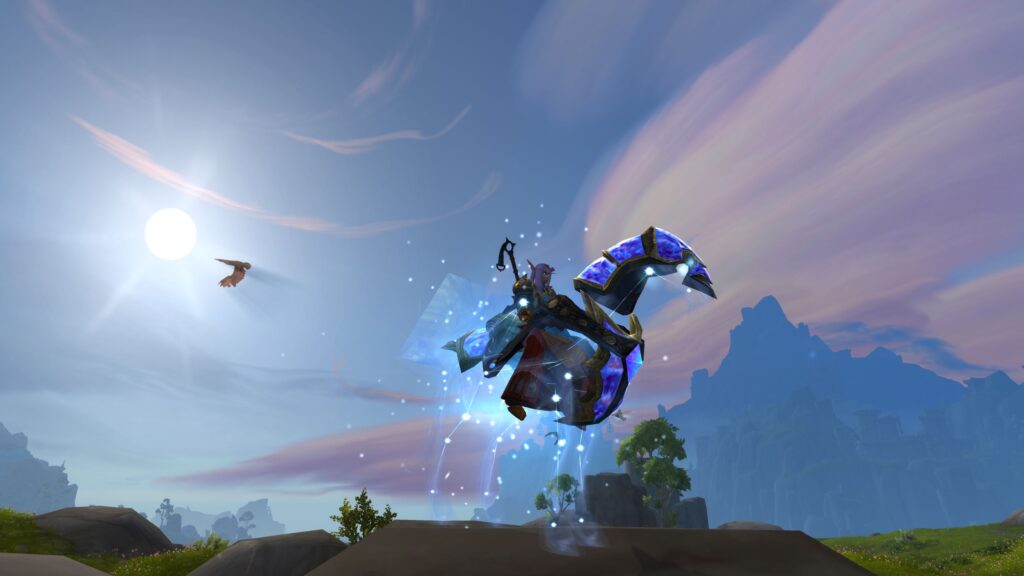
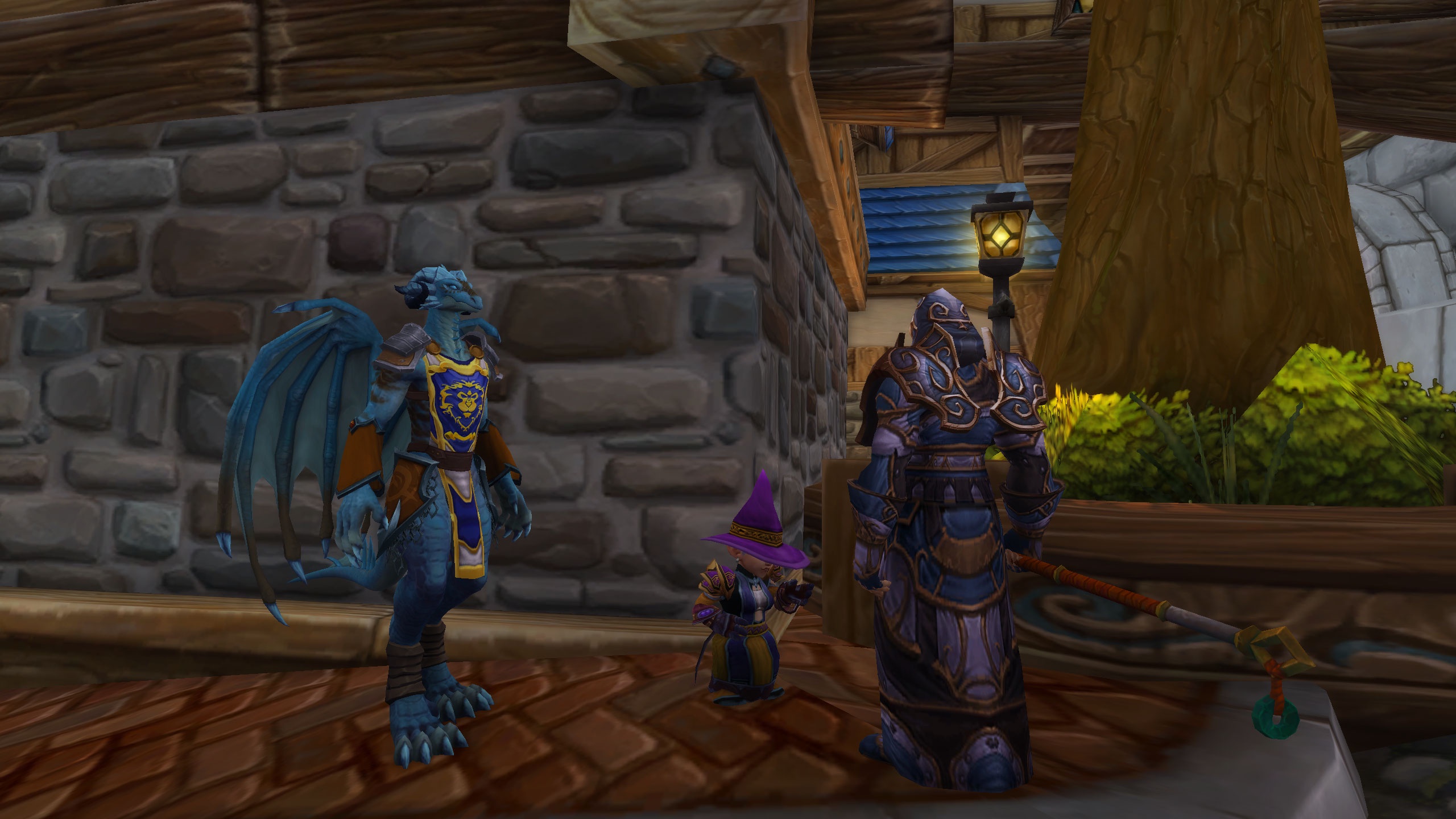
WoW has always emphasized the importance of community and social interaction. From its guild system to its robust chat and group mechanics, WoW created a platform for players to connect, collaborate, and compete. This social connectivity was one of the driving forces behind its immense success and is something that modern MMORPGs continue to emulate.
How WoW Set the Standard
- Guilds and Group Content – WoW’s guild system encouraged teamwork, cooperation, and long-term friendships among players, leading to a strong sense of community.
- Group PvE and PvP – Whether participating in dungeons, raids, or battlegrounds, WoW’s emphasis on group content encouraged social engagement and strategic collaboration.
- In-Game Economy – The Auction House, crafting, and trading systems further encouraged social interaction and collaboration, setting a standard for player-driven economies.
3. Accessibility and User-Friendly Design
One of WoW’s most important contributions to the MMORPG genre was its accessibility. The game’s user interface was designed to be intuitive and easy to use, allowing players to jump into the action quickly without being overwhelmed. Its low system requirements and expansive options for customization helped broaden its appeal to a larger audience.
How WoW Set the Standard
- Streamlined UI – WoW’s simple but effective user interface made it accessible to players of all skill levels, offering ease of navigation while providing detailed information.
- Customizability – The game allowed players to customize their experience with add-ons, which enhanced their gameplay and allowed for a more personalized experience.
- Low System Requirements – WoW’s relatively low system requirements helped it reach a wide audience, making it available to players with a variety of hardware setups.
4. Endgame Content and Replayability
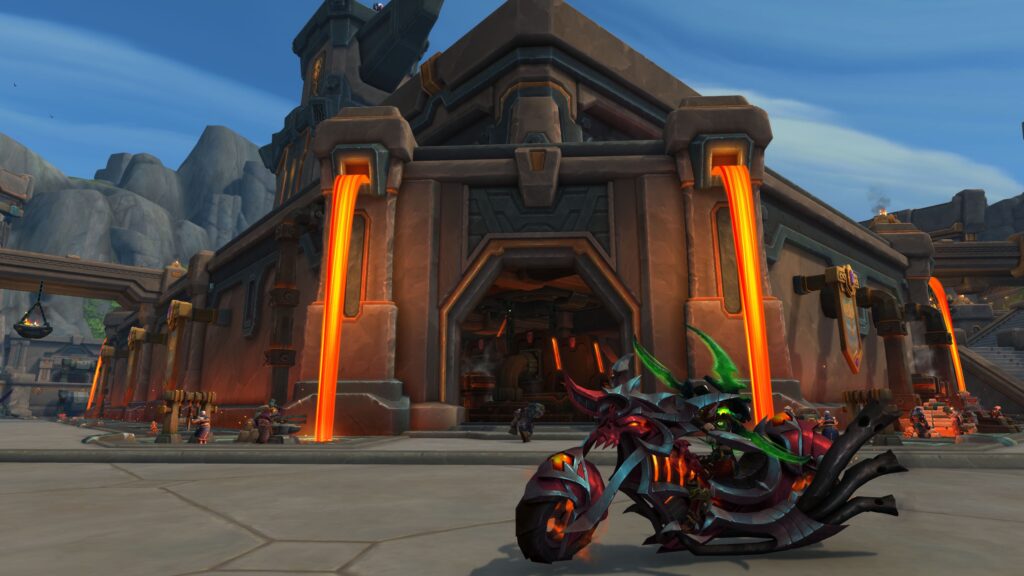
WoW’s design focused heavily on ensuring that players would have something to do even after they reached the level cap. From high-difficulty dungeons and raids to extensive PvP content and achievements, WoW’s endgame content became a hallmark of the MMORPG genre, setting a high bar for replayability and long-term engagement.
How WoW Set the Standard
- Challenging Raids and Dungeons – WoW introduced the concept of endgame dungeons and raids that required skill, coordination, and teamwork, setting the stage for future MMORPGs to adopt similar content.
- Achievements – WoW’s achievement system encouraged players to revisit content and strive for completion, providing added motivation for long-term engagement.
- Continuous Content Updates – Regular expansions and patches kept the game fresh and exciting, ensuring that players always had new content to explore and conquer.
5. Innovation in Combat and Progression
WoW was also a leader in innovating combat mechanics and progression systems. Its dynamic combat system, talent trees, and leveling system set a standard for other MMORPGs to follow. The game made character progression feel rewarding and impactful, with each level, quest, and raid offering tangible improvements to a player’s character.
How WoW Set the Standard
- Dynamic Combat – WoW’s real-time combat system offered a blend of action and strategy that made every encounter engaging and rewarding.
- Progression and Talent Systems – Players could customize their characters’ abilities and talents to suit their playstyle, offering deeper personalization and control over progression.
- Rewarding Endgame Progression – The rewards for completing high-level content, such as powerful gear, mounts, and achievements, kept players motivated to continue progressing their characters.
Conclusion: WoW’s Enduring Legacy
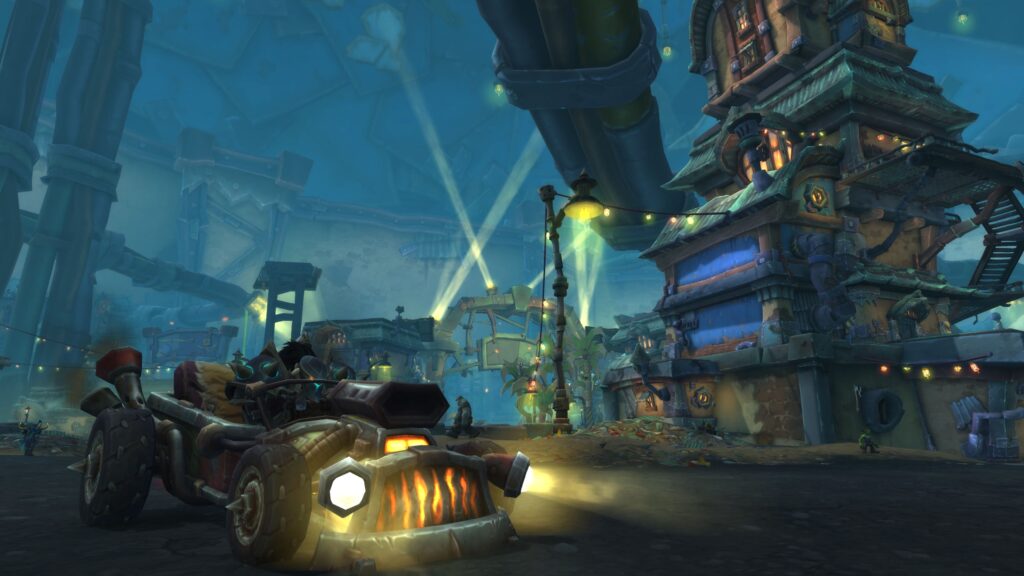
World of Warcraft set the standard for modern MMORPGs by innovating in areas such as world-building, social connectivity, accessibility, and endgame content. Its legacy can be seen in nearly every major MMORPG that followed, with many adopting features and systems pioneered by WoW. As the game continues to evolve, its impact on the genre remains undeniable, solidifying WoW as one of the greatest and most influential MMORPGs of all time.
Home



Leave a Reply