
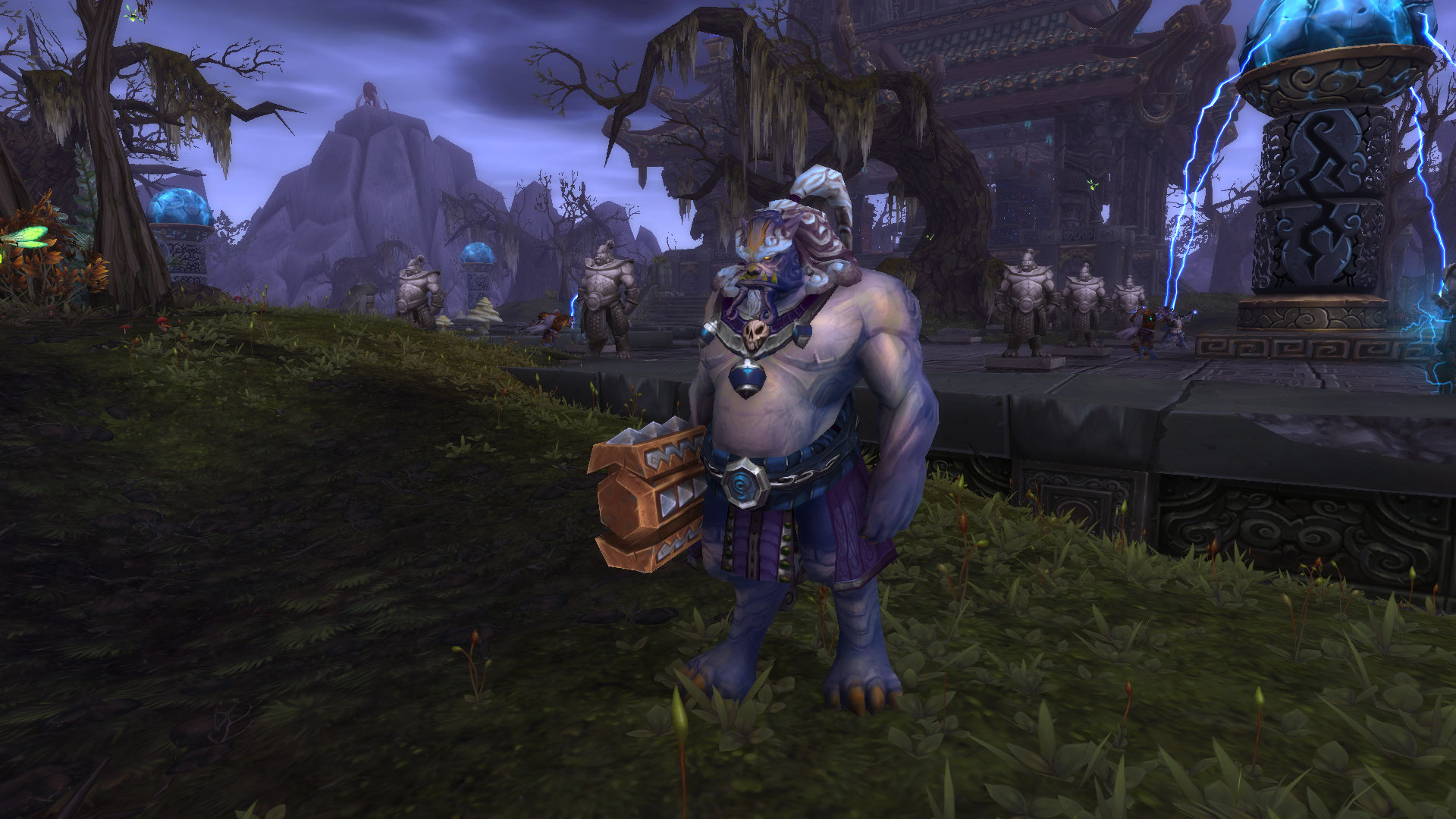

The pre-patch quests leading up to the Mists of Pandaria (MoP) expansion in World of Warcraft played a crucial role in establishing the narrative tension surrounding the Thunder King, one of Azeroth’s most formidable and forgotten tyrants. These quests not only set the stage for the impending conflict but also deepened player engagement through rich lore and immersive storytelling. By exploring the mechanics and implications of these quests, we can understand how they effectively built anticipation for the Thunder King’s return.
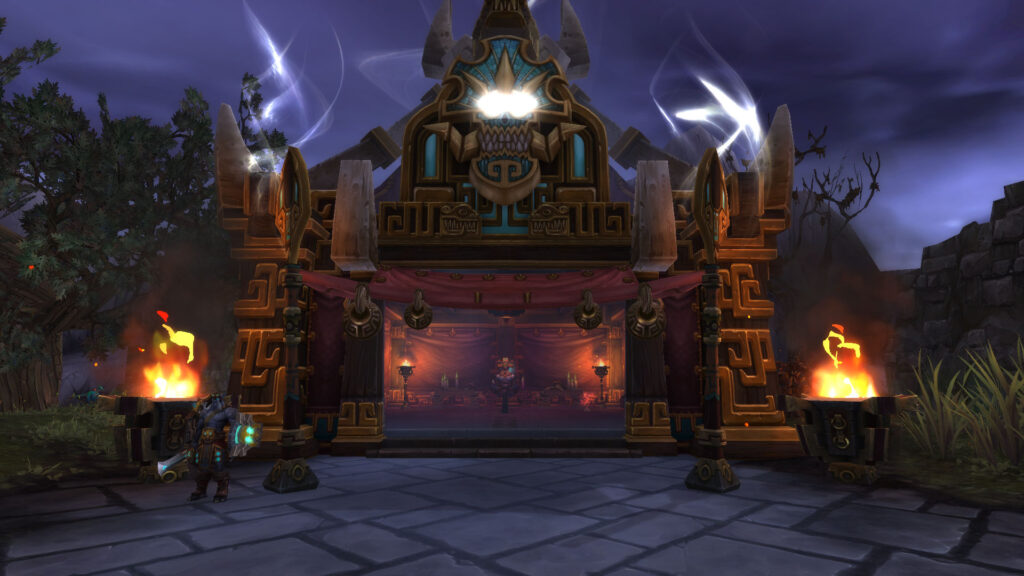
What were the key elements of the Thunder King pre-patch quests?
The Thunder King pre-patch quests were characterized by a blend of lore-rich storytelling, engaging gameplay mechanics, and a gradual build-up of tension that culminated in the Thunder King’s re-emergence.
The quests introduced players to the history of the Thunder King, Lei Shen, and his tyrannical reign over the Mogu. By weaving together elements of exploration, combat, and narrative, Blizzard effectively created a sense of urgency and importance around the Thunder King’s return. Players were not merely completing tasks; they were uncovering a story that had been dormant for centuries, which added layers of depth to their experience. The quests also featured unique mechanics, such as the use of ancient artifacts and the awakening of Mogu spirits, which served to enhance the overall gameplay experience.
Moreover, the quests were designed to gradually reveal the Thunder King’s power and the threat he posed to Azeroth. As players progressed, they encountered increasingly difficult challenges that required teamwork and strategy, reinforcing the idea that the Thunder King was not to be underestimated. This gradual escalation of difficulty mirrored the narrative tension, making the eventual confrontation with the Thunder King feel both inevitable and monumental.
How did the quests enhance player engagement with the Thunder King lore?
The quests enhanced player engagement with the Thunder King lore by incorporating interactive storytelling elements, rich environmental storytelling, and character-driven narratives that resonated with players.
Through the quests, players were introduced to key characters, such as the Mogu themselves and other significant figures from the lore, which helped to flesh out the world and its history. The use of environmental storytelling, such as ancient ruins and artifacts, allowed players to piece together the Thunder King’s past and understand the implications of his return. This immersive approach encouraged players to explore the world more thoroughly, fostering a deeper connection to the lore.
Additionally, the quests often included dialogue and cutscenes that provided insight into the motivations of various characters, creating emotional stakes that drew players into the narrative. By presenting the Thunder King not just as a villain but as a complex character with a rich backstory, players were more invested in the outcome of the story. This emotional engagement was crucial in building anticipation for the Thunder King’s eventual return and the challenges that lay ahead.
- Explore the ruins of the Mogu to uncover lore about the Thunder King’s reign.
- Engage with NPCs who provide context and background on the Thunder King.
- Complete quests that reveal the consequences of the Thunder King’s actions.
- Participate in events that highlight the growing threat posed by the Thunder King.
What gameplay mechanics were introduced in the Thunder King pre-patch quests?
The gameplay mechanics introduced in the Thunder King pre-patch quests included unique combat challenges, environmental puzzles, and the integration of new rewards that enhanced player progression.
These quests featured combat scenarios that required players to adapt their strategies, such as facing off against elite Mogu enemies with distinct abilities. This not only tested players’ skills but also highlighted the Thunder King’s formidable nature. Environmental puzzles, such as navigating through ancient traps and deciphering Mogu inscriptions, added a layer of complexity to the quests, encouraging players to think critically about their surroundings and the lore behind them.
Furthermore, the quests offered exclusive rewards, including gear and crafting materials tied to the Thunder King lore. This incentivized players to engage with the content fully, as the rewards were not only useful for character progression but also served as tangible connections to the story. The combination of these mechanics created a dynamic gameplay experience that kept players invested in the unfolding narrative.
| Quest Name | Gameplay Mechanic | Reward Type | Significance |
|---|---|---|---|
| Awakening the Mogu | Combat against elite Mogu | Gear | Introduces players to the threat of the Thunder King |
| Secrets of the Ancients | Environmental puzzles | Crafting materials | Enhances lore understanding and player engagement |
| Rising Tensions | Dynamic events | Unique items | Builds anticipation for the Thunder King’s return |
How did the quests set the stage for the Thunder King’s return?
The quests set the stage for the Thunder King’s return by gradually escalating the narrative stakes, revealing the consequences of his past actions, and foreshadowing the challenges players would face.
As players progressed through the quests, they encountered increasingly dire warnings about the Thunder King’s power and the potential devastation he could unleash upon Azeroth. This narrative buildup was crucial in creating a sense of urgency, compelling players to take action against this looming threat. The quests also highlighted the fractured state of the Mogu and their internal conflicts, suggesting that the Thunder King’s return would not only bring chaos but also force players to navigate complex political dynamics.
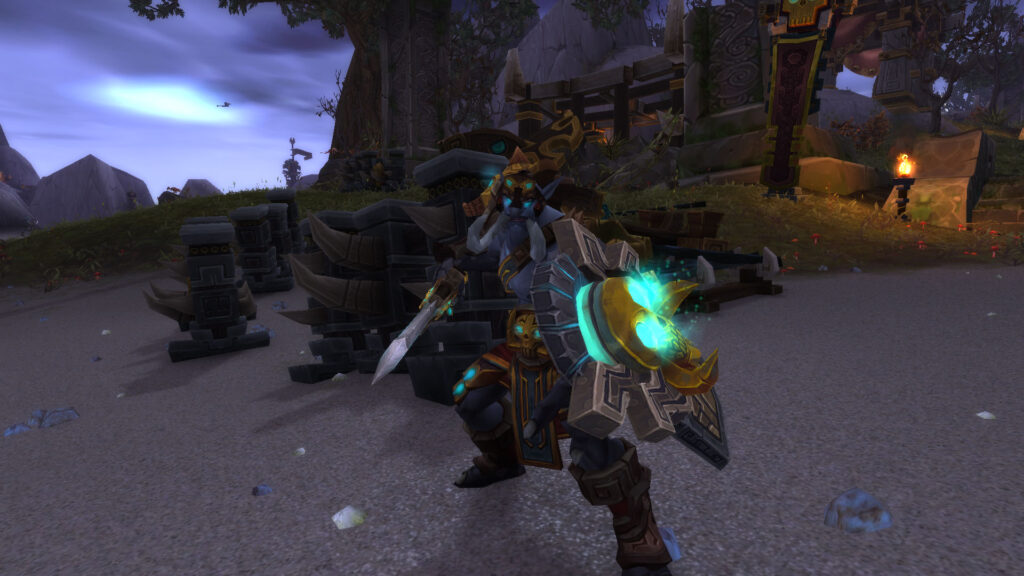
Moreover, the quests included hints and foreshadowing elements, such as prophetic visions and cryptic messages from NPCs, that hinted at the Thunder King’s immense power and the challenges he would pose. This strategic storytelling approach ensured that players were not only aware of the Thunder King’s threat but also felt personally invested in the outcome of the conflict, setting the stage for an epic confrontation.
What advanced strategies should players consider for the Thunder King encounter?
Players should consider advanced strategies such as optimal group composition, understanding the Thunder King’s mechanics, and utilizing environmental advantages during the encounter.
To effectively tackle the Thunder King, players should assemble a balanced group that includes a mix of damage dealers, healers, and tanks. This composition ensures that the group can withstand the Thunder King’s powerful attacks while maximizing damage output. Understanding the mechanics of the encounter is critical; players must be aware of the Thunder King’s abilities, such as his devastating lightning strikes and summoning of Mogu minions, to effectively counter them.
Utilizing environmental advantages, such as positioning players strategically to avoid area-of-effect attacks and using terrain to block line-of-sight, can significantly enhance a group’s chances of success. Additionally, players should coordinate their cooldowns and healing abilities to mitigate damage during critical phases of the encounter. By employing these advanced strategies, players can maximize their effectiveness in the Thunder King fight and ensure a successful outcome.
What are the best practices for engaging with the Thunder King lore?
Best practices for engaging with the Thunder King lore include thorough exploration of questlines, active participation in community discussions, and utilizing in-game resources to deepen understanding.
Players should take the time to fully explore the questlines associated with the Thunder King, as they often contain rich lore and context that enhance the overall experience. Engaging with the community through forums and social media can also provide valuable insights and interpretations of the lore, fostering a deeper connection to the narrative. Additionally, utilizing in-game resources, such as books and scrolls found throughout the world, can further enrich players’ understanding of the Thunder King’s history and significance.
By adopting these best practices, players can cultivate a more immersive experience and appreciate the intricate storytelling that surrounds the Thunder King. This engagement not only enhances individual gameplay but also contributes to the broader community’s understanding of Azeroth’s rich lore.
Frequently Asked Questions
What is the significance of the Thunder King in World of Warcraft lore?
The Thunder King, Lei Shen, is a pivotal character in World of Warcraft lore, representing the ancient Mogu’s tyrannical rule and the threat of their resurgence. His return in the Mists of Pandaria expansion serves as a catalyst for conflict, highlighting the ongoing struggle between the forces of order and chaos in Azeroth.
How did the pre-patch quests prepare players for the Thunder King encounter?
The pre-patch quests prepared players for the Thunder King encounter by gradually introducing them to his lore, mechanics, and the challenges they would face. Through engaging gameplay and rich storytelling, players developed a sense of urgency and importance regarding the Thunder King’s return.
What strategies are effective for defeating the Thunder King?
Effective strategies for defeating the Thunder King include assembling a balanced group, understanding his mechanics, and utilizing environmental advantages. Coordination among players regarding cooldowns and positioning is crucial for success in this challenging encounter.


Leave a Reply