
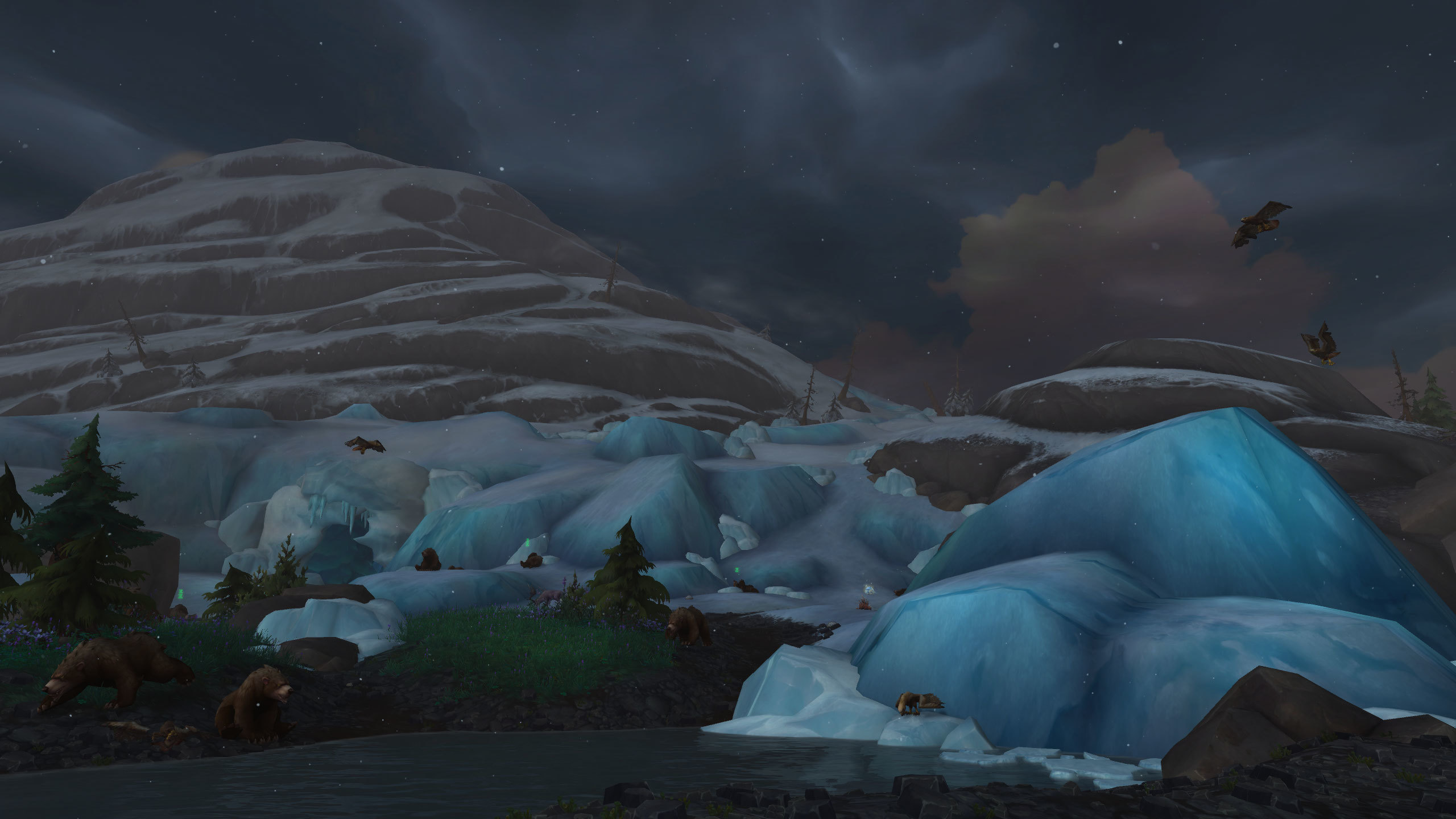

Open-world progression systems help unify endgame by offering meaningful advancement paths that exist outside tightly scheduled or instanced activities. Instead of splitting players into isolated content lanes, these systems create shared goals that anyone can pursue at their own pace.
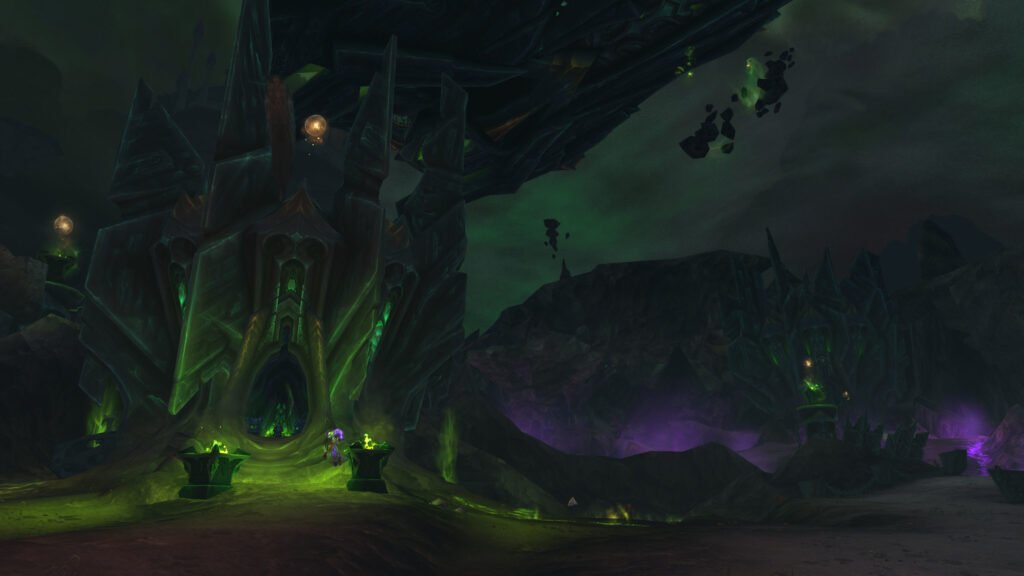
This approach reduces fragmentation by keeping players within the same spaces and systems. Progress feels connected rather than segmented, allowing endgame to function as a broader ecosystem instead of disconnected tracks.
Shared Progression Keeps Players in the Same Spaces
When progression occurs in the open world, players naturally encounter one another while working toward similar objectives. These encounters reinforce a sense of population and activity across zones.
Unlike isolated instances, open-world systems ensure that time invested contributes to a visible, shared environment. This visibility strengthens the feeling of a cohesive endgame.
Flexible Progression Reduces Scheduling Barriers
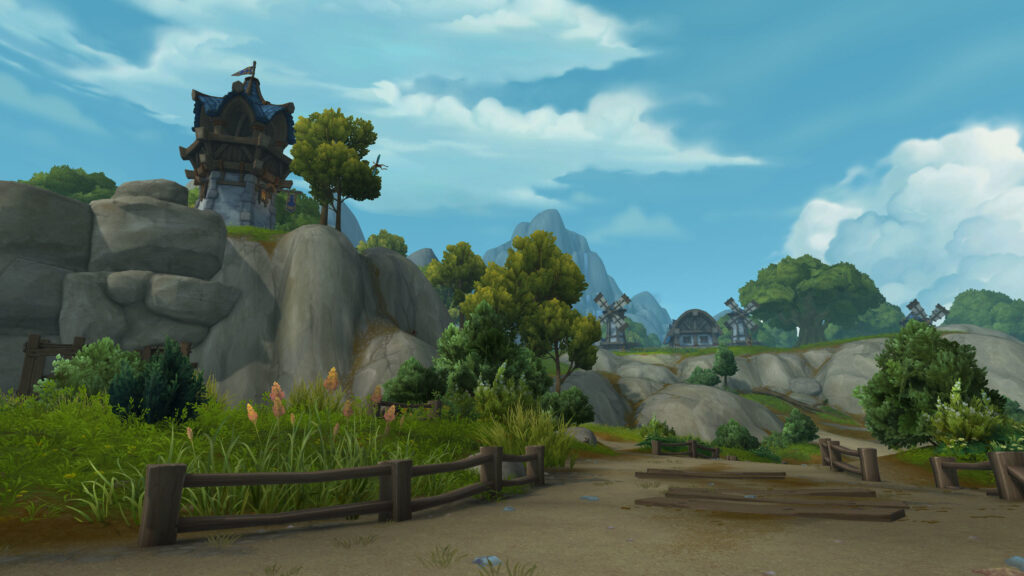
Open-world progression can be advanced in short or long sessions. Players are not forced to align schedules or commit to extended blocks of time.
This flexibility keeps more players engaged consistently. Even brief logins feel productive, preventing drop-off caused by rigid content requirements.
Unified Rewards Encourage Cross-Content Participation
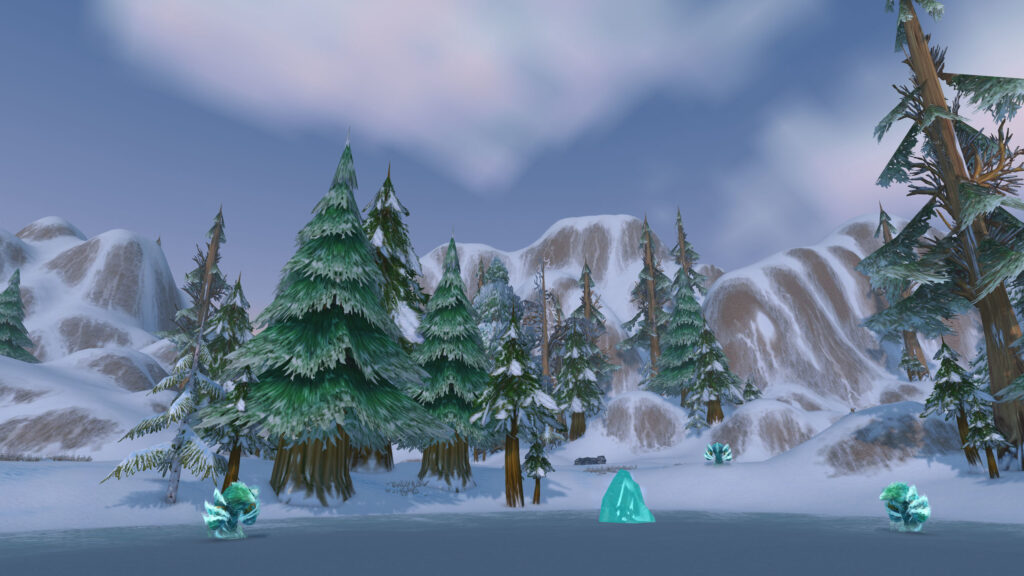
When open-world systems feed into broader progression goals, players are less pressured to choose between content types. Advancement feels complementary rather than exclusive.
This reduces the feeling of falling behind when skipping certain activities, allowing players to engage based on preference without sacrificing relevance.
| Progression Model | Player Behavior | Endgame Effect |
|---|---|---|
| Open-world systems | Shared participation | Unified population |
| Strict instancing | Content separation | Fragmentation |
| Flexible pacing | Consistent engagement | Lower burnout |
| Overlapping rewards | Cross-play activity | Cohesive endgame |
Reduced Fragmentation Improves Long-Term Engagement
When players feel connected to the same progression loop, endgame feels less overwhelming. Choices become about preference, not obligation.
This cohesion supports healthier engagement patterns and keeps populations active across the entire lifecycle of a season.
Conclusion
Open-world progression systems reduce endgame fragmentation by unifying players around shared goals and flexible advancement.
By keeping progression visible, accessible, and interconnected, these systems strengthen the overall endgame experience.


Leave a Reply