
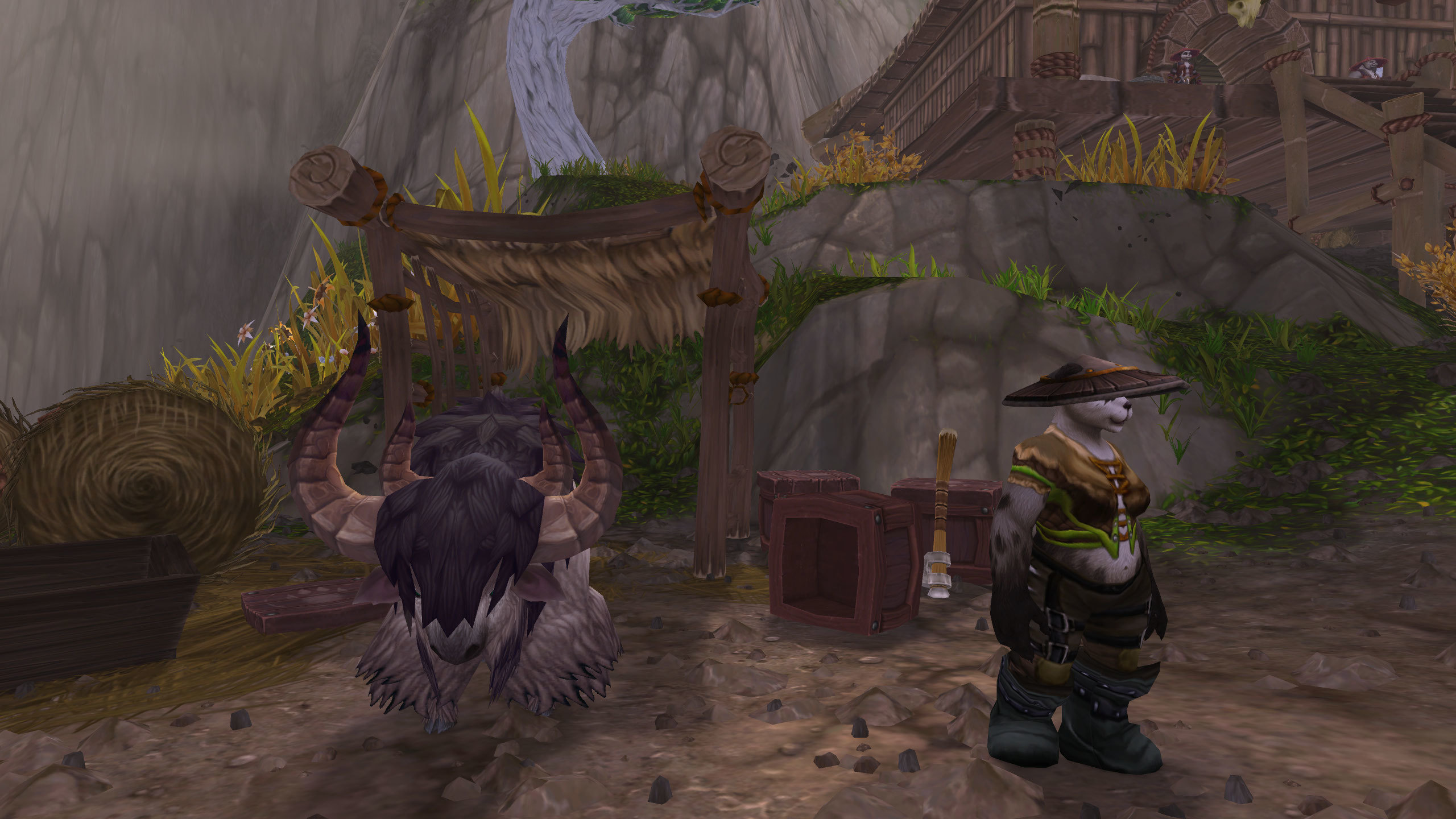

When Mists of Pandaria first arrived, many dismissed it as a lighter, more playful chapter in World of Warcraft’s history. But beneath its serene landscapes and tranquil villages lay one of the game’s most profound expansions—a meditation on balance, restraint, and the human (or rather, mortal) struggle against inner turmoil. Pandaria was never just a continent; it was a mirror held up to every player, asking: what do you fight for?
This article explores how Pandaria’s storytelling, environments, and philosophies continue to resonate more than a decade later—reminding us that peace can be just as powerful as war.
The Birth of an Unexpected Masterpiece
When Blizzard announced Mists of Pandaria, reactions were mixed. After the cataclysmic destruction of Azeroth, the idea of exploring a hidden, mist-covered land filled with monks and brewers seemed almost whimsical. But what players found instead was depth. Pandaria introduced themes of patience and reflection, exploring the consequences of conflict rather than glorifying it. Every quest, zone, and cinematic became a parable about emotional balance and moral clarity.
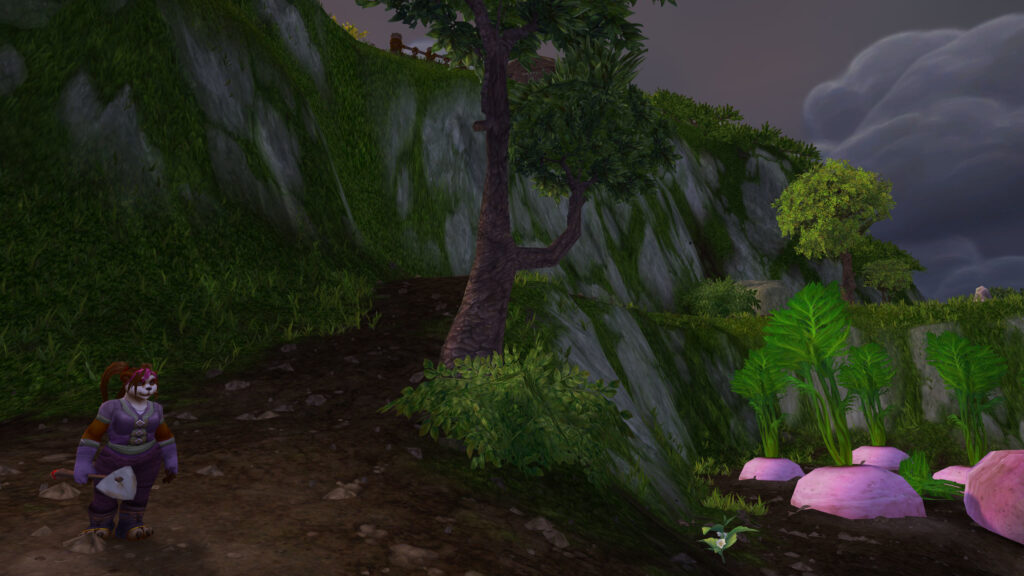
It was not an escape from war—it was a lesson born from it.
The Sha: Manifestations of Emotion
At the center of Pandaria’s philosophy lies the concept of the Sha—physical embodiments of negative emotion. Fear, anger, hatred, and despair became literal enemies, shaping both the land and its people. By defeating them, players weren’t just purging corruption—they were confronting the darkness within themselves. The Sha served as one of WoW’s most symbolic storytelling devices, reminding players that the greatest battles are fought within.
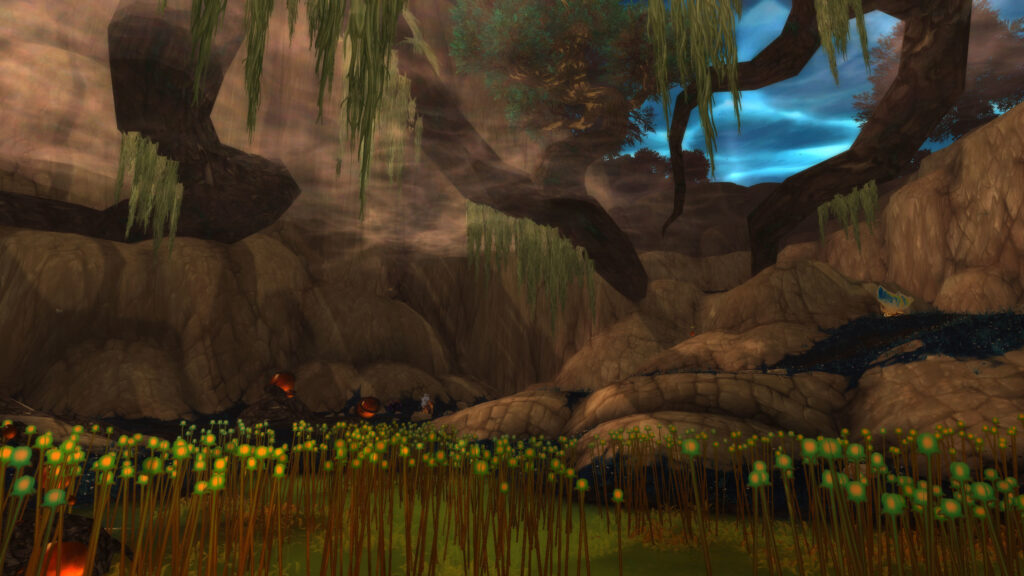
Each victory in Pandaria was not only over monsters, but over the mind.
Lessons from the Pandaren
The Pandaren embody equilibrium. Their culture is built on patience, humor, and harmony between body and spirit. Yet they are not pacifists—they understand that strength without control leads to chaos. Through figures like Taran Zhu and Emperor Shaohao, the narrative emphasized that wisdom isn’t found in silence, but in action guided by awareness. Their lessons reflected what every adventurer needed to learn: to fight without losing oneself to rage.
Pandaren wisdom became a universal truth for players across factions.
- “Slow down.” — A reminder that progress without reflection is hollow.
- “Why do we fight?” — The expansion’s central question, still echoing years later.
- “Balance is not stillness.” — True peace comes from flow, not rigidity.
- “Even the strongest warrior must know when to yield.”
The Land as Philosophy
Pandaria’s zones themselves spoke in metaphors. The Jade Forest represented curiosity and youth, Krasarang Wilds embodied conflict and consequence, and the Vale of Eternal Blossoms stood as a symbol of rebirth and loss. Even the Wandering Isle introduced balance through motion—an island adrift, yet grounded in purpose. Pandaria’s landscapes were not just visually stunning; they were spiritual canvases, each telling a chapter of the same inner story.
To journey through Pandaria was to meditate in motion.
Conflict Without Villainy
Unlike previous expansions, Pandaria’s conflict wasn’t driven by evil for evil’s sake. The war between the Horde and Alliance served as a backdrop for introspection. The true antagonist was imbalance—unchecked pride, hatred, and desire for control. Even Garrosh Hellscream’s downfall was framed not as demonic corruption, but as a human failure of empathy. The story showed that villainy doesn’t always wear fangs; sometimes, it wears conviction.
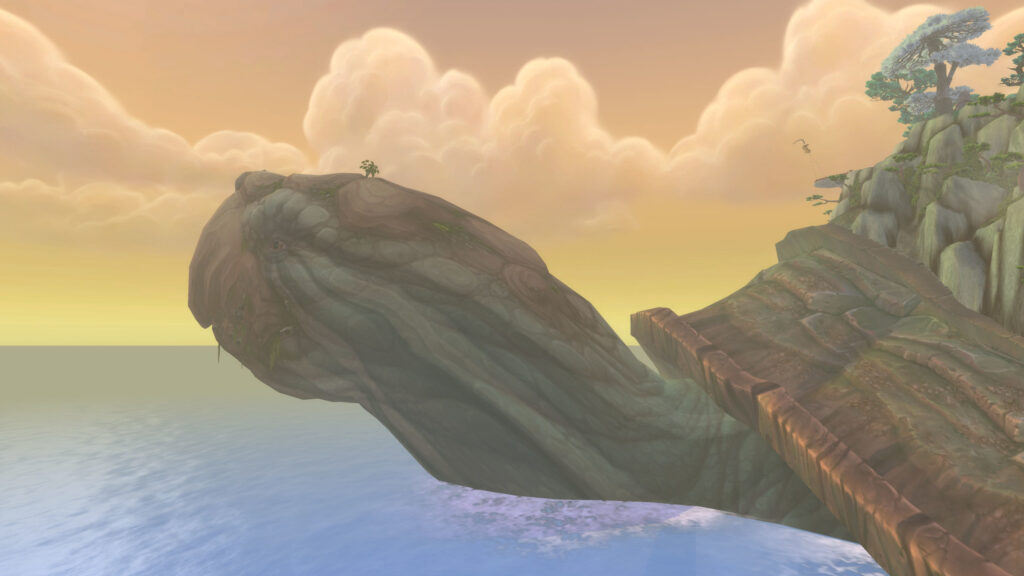
In Pandaria, morality was finally painted in shades of gray.
Legacy of Renewal
More than a decade later, Mists of Pandaria remains one of the most revisited expansions—not for loot or progression, but for peace. Its music, art, and dialogue invite reflection. In an age of endless grinding and competition, Pandaria still whispers a reminder: balance is not a goal, but a practice. It taught players to breathe between battles, to look inward between achievements, and to remember that wisdom is the truest reward of all.
The Heart of Pandaria still beats—not in raids, but in memory.
Conclusion
Pandaria’s true legacy lies in what it taught rather than what it gave. It turned an expansion into a philosophy, a continent into a state of mind. Through beauty, patience, and emotional depth, it reshaped how players understood heroism—not as destruction, but as harmony. In a world forever at war, Pandaria remains the rare reminder that strength without balance is hollow, and that renewal always begins within.
In the silence of its mountains, Azeroth learned to listen.

Leave a Reply