
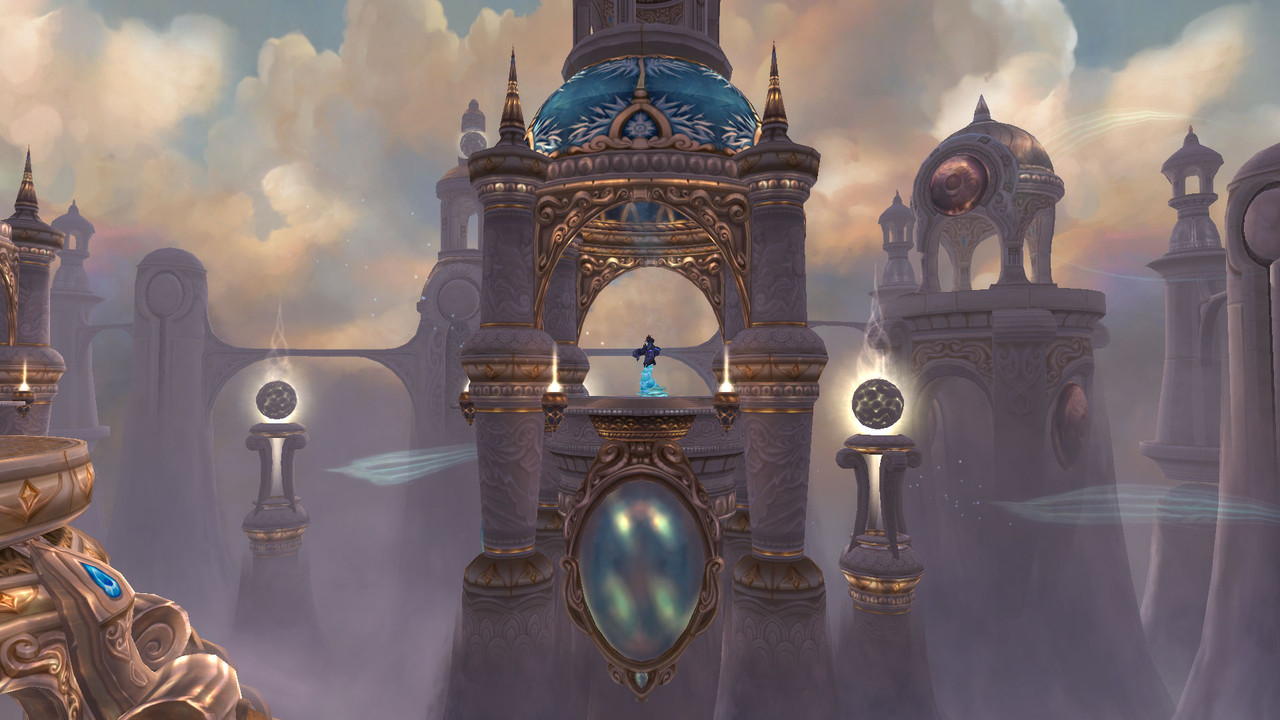

The lore surrounding Al’Akir and the Throne of the Four Winds in World of Warcraft’s Cataclysm expansion is rich and complex, often overlooked by players. This guide aims to dissect the intricate narratives, character motivations, and the broader implications of these elements within the game’s universe. By understanding Al’Akir’s role as a powerful elemental lord and the significance of the Throne, players can appreciate the depth of storytelling in WoW.
What is the significance of Al’Akir in the lore of World of Warcraft?
Al’Akir is the Elemental Lord of Air, representing the chaotic and tempestuous nature of wind and storms, and plays a crucial role in the elemental conflicts of Azeroth.
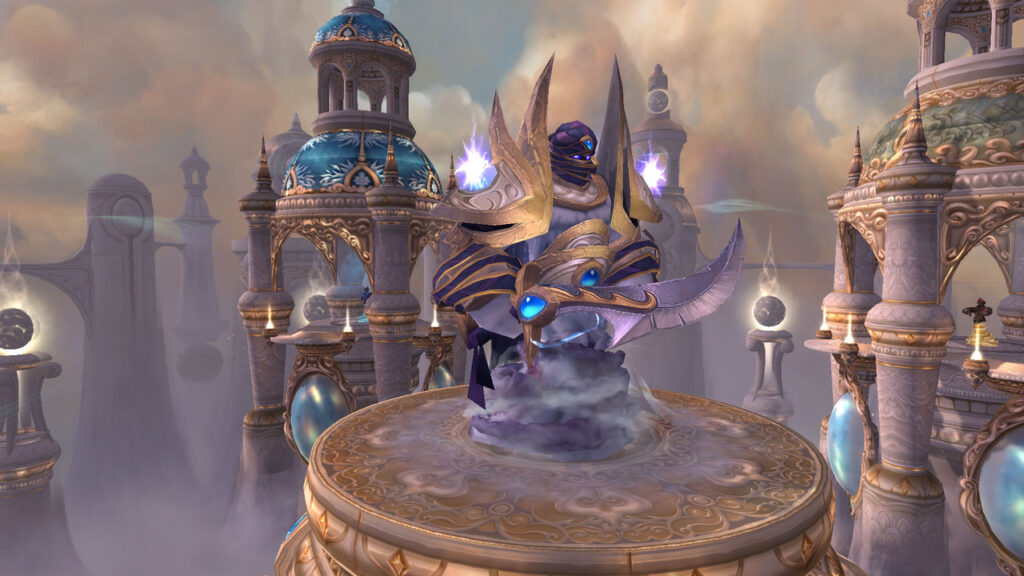
Al’Akir’s significance lies in his embodiment of the elemental forces that shape the world. As one of the four elemental lords, he is a key player in the ongoing struggle between the elemental planes and the mortal realms. His character is not just a representation of air but also a symbol of the tumultuous nature of power and control. This duality makes him a compelling figure in the lore, as he often finds himself at odds with other elemental lords, particularly during the Cataclysm event when the balance of power was disrupted. Understanding Al’Akir’s motivations and actions provides insight into the broader narrative of elemental conflict that defines much of WoW’s lore.
- Recognize Al’Akir’s role in the elemental hierarchy and his conflicts with other elemental lords.
- Explore his relationship with the Twilight’s Hammer cult, which seeks to harness his power.
- Analyze his influence on the Cataclysm storyline and its impact on the world of Azeroth.
- Investigate the thematic elements of chaos and control represented by Al’Akir.
How does the Throne of the Four Winds fit into the story of Al’Akir?
The Throne of the Four Winds serves as Al’Akir’s domain, a pivotal location where he exerts his influence over the skies and the elemental forces of air.
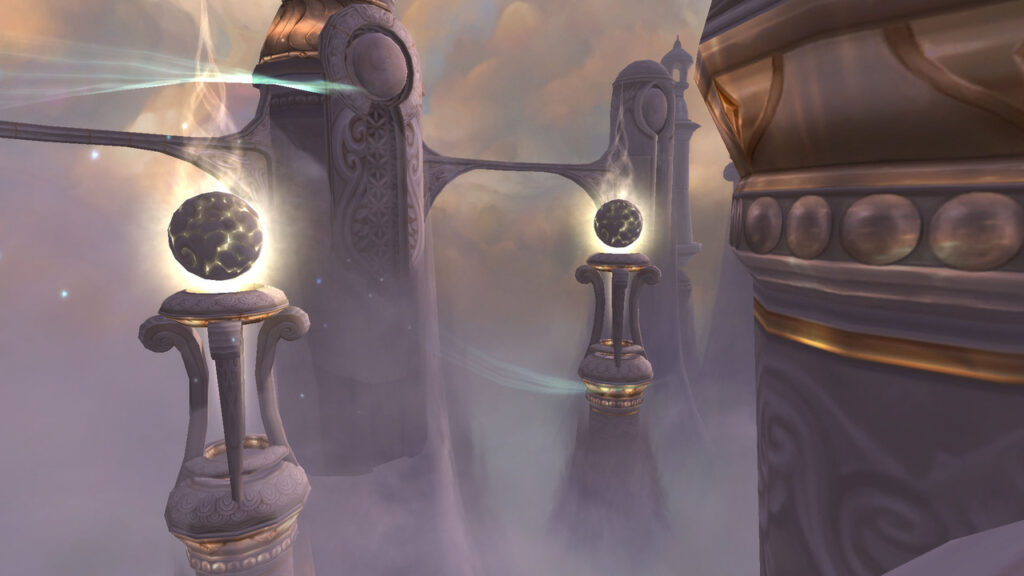
The Throne of the Four Winds is not merely a physical location; it is a manifestation of Al’Akir’s power and authority. This floating fortress in the sky represents the culmination of his dominion over air and serves as a battleground for the elemental forces. The Throne is intricately designed, with each aspect reflecting the chaotic beauty of wind and storms. It is here that Al’Akir commands his forces and engages in conflict with those who threaten his reign. The significance of the Throne extends beyond its aesthetics; it is a strategic point in the elemental war, where the balance of power can shift dramatically depending on who controls it.
In terms of gameplay, the Throne of the Four Winds is the setting for one of the major raid encounters in Cataclysm, where players face Al’Akir in a climactic battle. This encounter not only highlights Al’Akir’s abilities and the challenges he poses but also serves as a narrative device to explore the consequences of the elemental conflicts. Players must navigate the mechanics of the fight, which reflect the chaotic nature of Al’Akir himself, reinforcing the thematic elements of unpredictability and danger associated with his character.
What are the key events leading to the rise of Al’Akir and the Throne of the Four Winds?
The rise of Al’Akir and the establishment of the Throne of the Four Winds are rooted in the elemental conflicts that erupted during the War of the Ancients and the subsequent Cataclysm.
The events leading to Al’Akir’s ascendance are deeply intertwined with the history of Azeroth. The War of the Ancients marked a significant turning point, as the elemental lords were drawn into the conflict between the Burning Legion and the Night Elves. Al’Akir, seeking to expand his influence, allied with other elemental lords, but this alliance was fraught with tension and betrayal. The Cataclysm, instigated by Deathwing, further exacerbated these conflicts, leading to a power vacuum that Al’Akir sought to exploit. His rise is characterized by strategic manipulation of the Twilight’s Hammer cult, who worship him and serve his interests, further solidifying his power.
Understanding these events provides context for Al’Akir’s motivations and the significance of the Throne of the Four Winds. The Throne itself was constructed as a symbol of his dominance, a place where he could gather his forces and plot against his enemies. The lore surrounding these events is rich with themes of betrayal, ambition, and the struggle for power, making Al’Akir a complex character within the broader narrative of World of Warcraft.
What are the notable characteristics and abilities of Al’Akir?
Al’Akir is characterized by his mastery over wind and storms, possessing abilities that reflect his elemental nature, making him a formidable opponent.
This table summarizes Al’Akir’s key characteristics and abilities, providing insights into his combat style and elemental powers. Understanding these traits is essential for players engaging with him in the game, as they inform strategies for defeating him in battle.
| Characteristic | Description | Combat Ability | Strategic Importance |
|---|---|---|---|
| Elemental Mastery | Control over wind and storms | Stormsinger | Creates environmental hazards |
| Chaos | Unpredictable attack patterns | Wind Burst | Disrupts player positioning |
| Summoning | Calls forth elemental minions | Elemental Surge | Increases difficulty of encounters |
How can players effectively engage with Al’Akir in the Throne of the Four Winds?
Players can effectively engage with Al’Akir by understanding his mechanics, coordinating strategies, and adapting to his unpredictable attack patterns.
Engaging with Al’Akir requires a thorough understanding of his abilities and the mechanics of the encounter. Players should familiarize themselves with his attack patterns, which often include chaotic wind bursts and environmental hazards that can disrupt positioning. Coordination among team members is crucial, as players must respond quickly to Al’Akir’s summons and manage the elemental minions he calls forth. Effective communication and strategic planning can make a significant difference in overcoming the challenges presented during the fight.
Moreover, players should consider their class abilities and how they can best contribute to the encounter. For instance, ranged classes may need to focus on avoiding environmental hazards while dealing damage from a distance, while melee classes should be prepared to reposition quickly. Utilizing cooldowns and defensive abilities at the right moments can also turn the tide of battle. By mastering these strategies, players can enhance their chances of success against Al’Akir and secure victory in the Throne of the Four Winds.
What are the long-term implications of Al’Akir’s defeat in the lore?
The defeat of Al’Akir has significant long-term implications for the elemental balance and the ongoing narrative of World of Warcraft.
Al’Akir’s defeat in the Throne of the Four Winds represents a critical turning point in the elemental conflict, leading to shifts in power dynamics among the elemental lords. His absence creates a power vacuum that other elemental beings may seek to fill, potentially leading to new conflicts and alliances. The narrative implications extend beyond the immediate aftermath of the battle; they set the stage for future storylines involving elemental forces and their interactions with the mortal races of Azeroth. This defeat also symbolizes the resilience of the players, who, through their actions, influence the fate of the world.
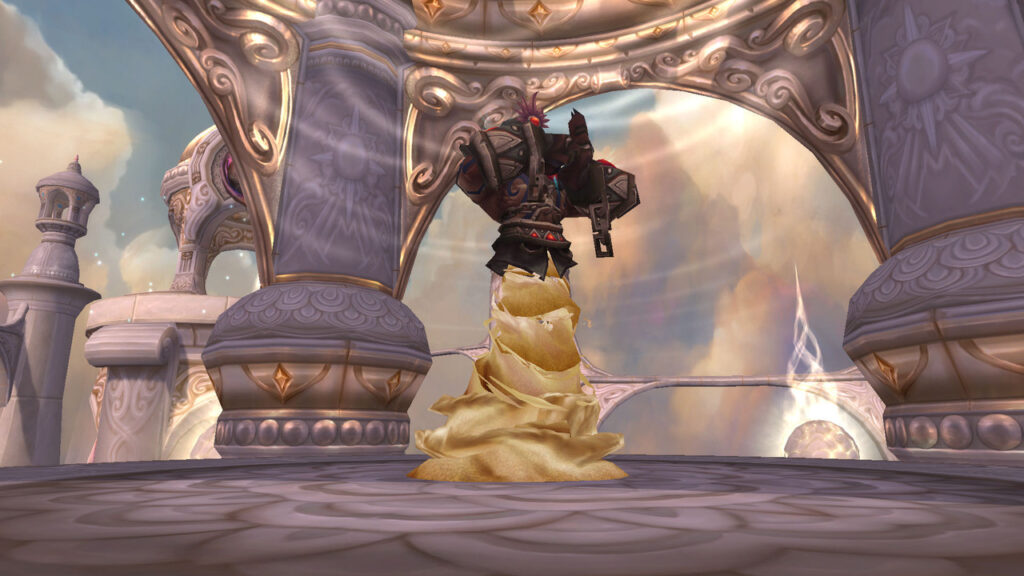
Furthermore, the lore surrounding Al’Akir’s defeat can lead to new quests, story arcs, and character developments in future expansions. The consequences of his actions and the power struggles that follow can provide rich material for storytelling, allowing players to engage with the evolving lore of Azeroth. Understanding these long-term implications enhances the overall experience of the game, as players become more invested in the world and its history.
Frequently Asked Questions
What are the origins of Al’Akir in World of Warcraft lore?
Al’Akir’s origins trace back to the elemental planes, where he was one of the four elemental lords created by the Titans. His character embodies the chaotic nature of air, representing both its beauty and destructiveness. His lore is deeply intertwined with the history of Azeroth, particularly during the War of the Ancients.
How does Al’Akir interact with other elemental lords?
Al’Akir’s interactions with other elemental lords are often characterized by conflict and rivalry. He frequently clashes with other elemental beings, particularly Ragnaros, the Firelord, and Neptulon, the Waterlord, as they vie for control over the elemental forces of Azeroth.
What role does the Twilight’s Hammer cult play in Al’Akir’s story?
The Twilight’s Hammer cult serves as a significant ally to Al’Akir, worshipping him and seeking to harness his power for their own ends. Their actions often align with Al’Akir’s interests, furthering his goals in the ongoing elemental conflicts.
What are the consequences of Al’Akir’s defeat for the players?
Defeating Al’Akir allows players to progress through the Cataclysm storyline, providing rewards and unlocking new content. It also signifies a shift in the elemental balance, leading to new challenges and story arcs in future expansions.


Leave a Reply