
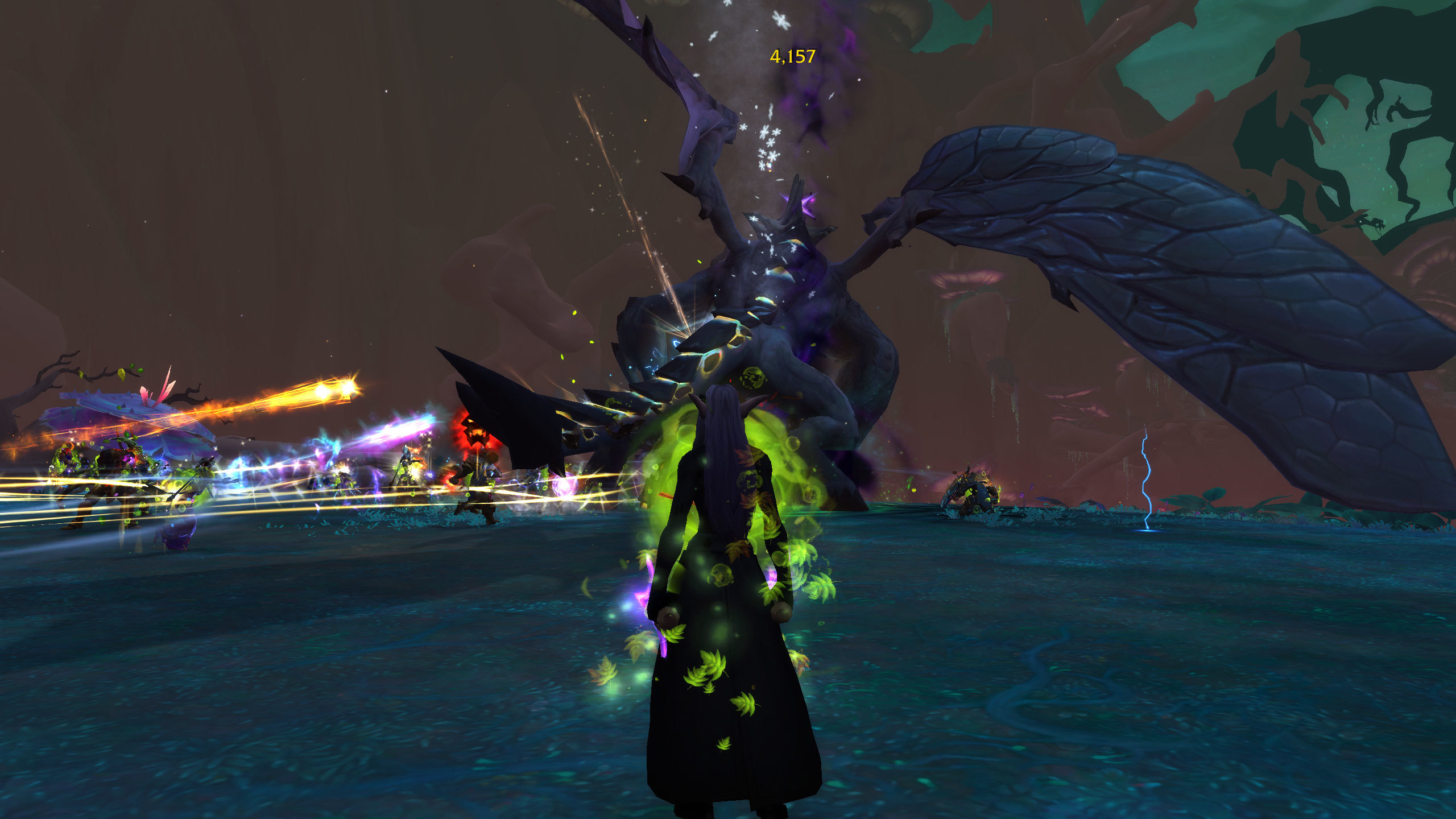

Many assume that endgame progression—raids, mythic dungeons, and ranked arenas—is the primary reason players maintain an active subscription. However, a significant portion of the World of Warcraft population remains year after year without ever touching these systems. This guide explores the “casual pillar” of the game, breaking down how the sheer breadth of side activities, world-building, and social systems creates a self-sustaining experience that prioritizes personal enjoyment over competitive benchmarks.
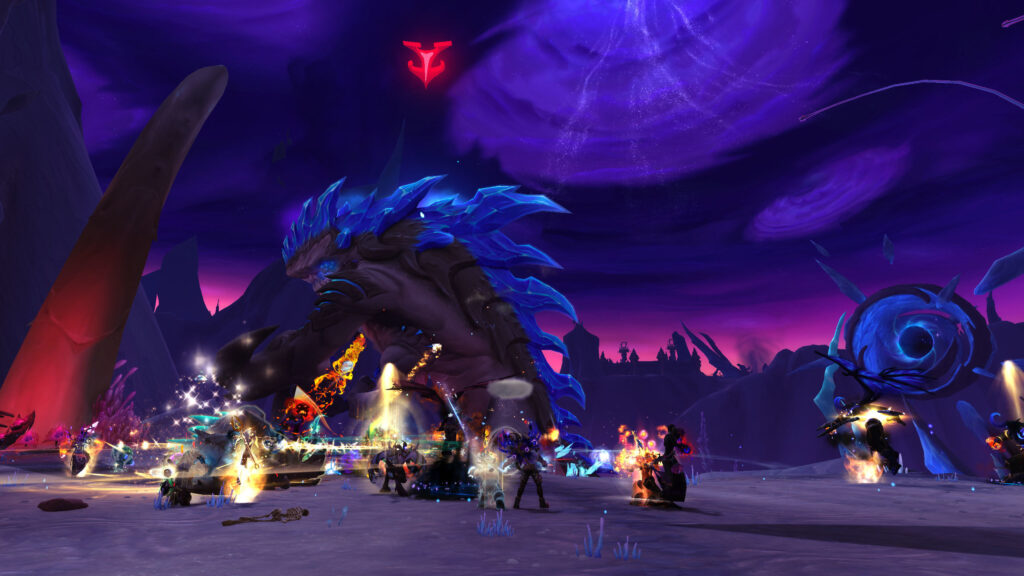
The World as a Hobby
For casual players, World of Warcraft acts as a hobby rather than a job. The game offers an immense backlog of content that can be tackled at a relaxed pace. Whether it is leveling alts through different zones, completing obscure quest achievements, or mastering the intricacies of the player-driven economy, there is always a task to perform. This lack of pressure is the key to longevity. By focusing on personal goals like unlocking a specific race or completing a legacy questline, players can define their own success, ensuring they never feel the burnout that often plagues high-end raiders.
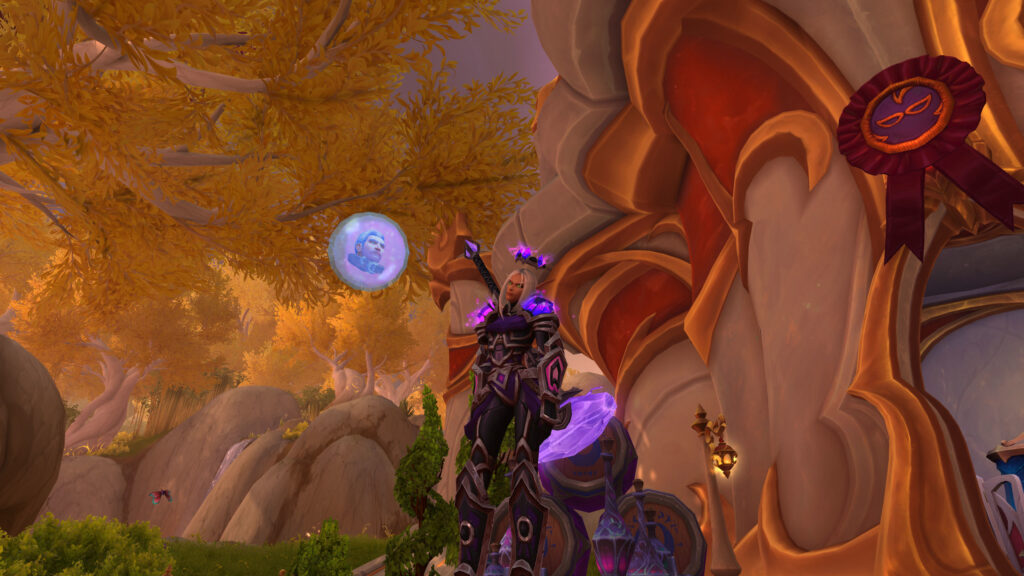
Social stability is another massive factor. Many casual players are part of long-standing social guilds where the priority is conversation and group exploration rather than parsing damage meters. This community aspect transforms the game into a digital lounge. Logging in becomes a way to check in with friends, share updates, and participate in low-stakes group activities. The social bond often outweighs the need for mechanical progression, making the subscription fee a worthwhile price for a consistent social outlet.
Casual Pillars of Retention
| Category | Player Benefit |
|---|---|
| Legacy Content | Infinite exploration of past stories. |
| Social Guilds | Consistent, low-stress human interaction. |
| Personal Goals | Self-defined achievements without deadlines. |
| Market/Economy | Engaging with the game on an economic level. |
The Power of Autonomy
Casual play is defined by the ability to quit at any moment. Because the player isn’t tethered to a raiding schedule, they control their time. This autonomy is highly addictive. It allows the player to treat the game as a relaxing wind-down after work. The absence of “required” tasks creates a frictionless environment where the player logs in because they want to, not because they feel obligated by a team or a leaderboard.
A Destination, Not a Race
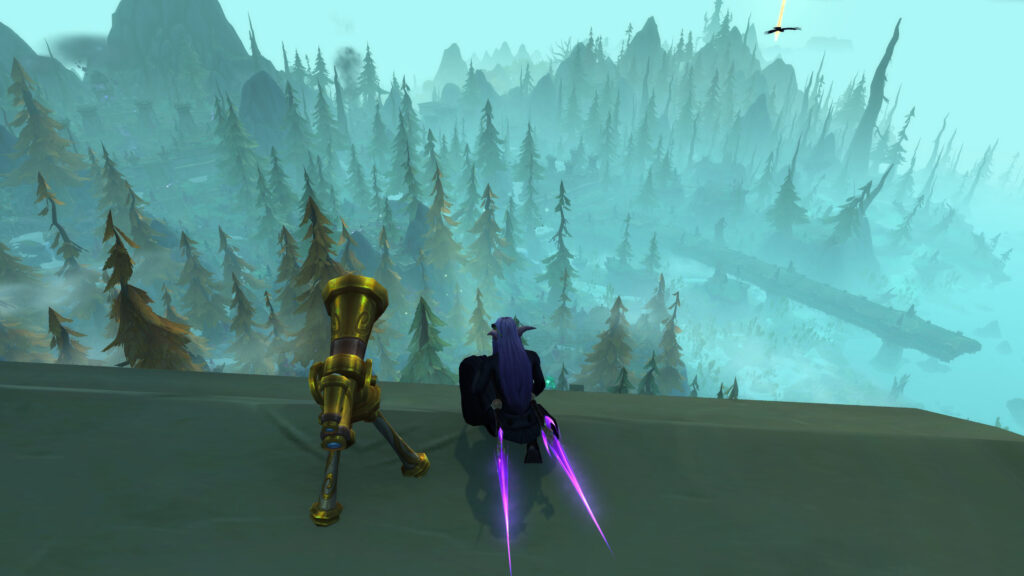
Ultimately, casual players stay because they treat Azeroth as a destination. They enjoy the rhythm of the game, the familiarity of the cities, and the constant, small updates that refresh the world. For these players, the game isn’t a race to the finish line—it is a long-term project that allows them to explore every facet of a massive, meticulously crafted digital world at their own pace.


Leave a Reply